
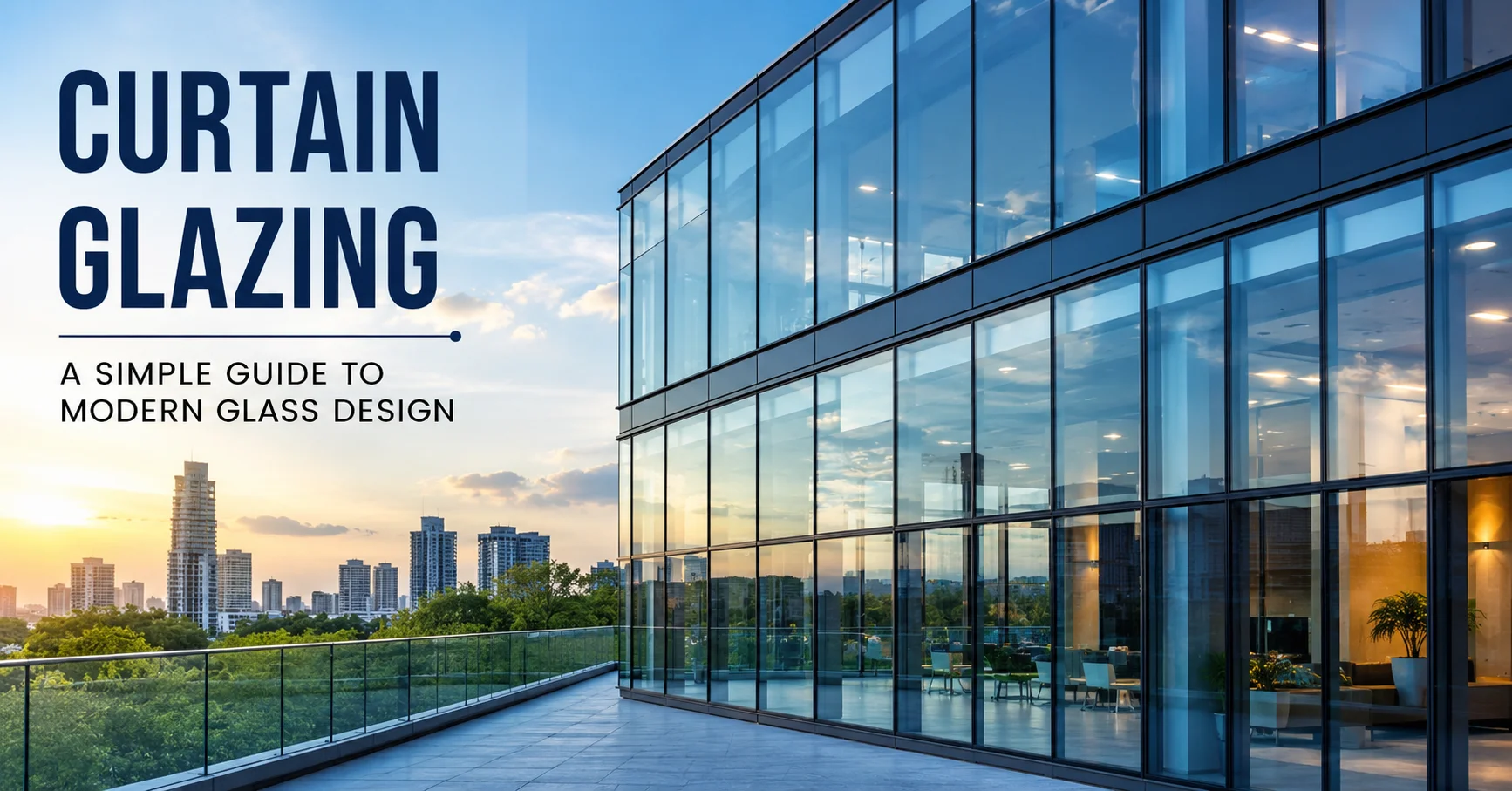
Glass has changed the way modern buildings look and feel. Large windows, bright interiors, and clean architectural lines have become defining features of contemporary homes, offices, hotels, and commercial spaces. One design approach that makes these possibilities practical is curtain glazing.
At first glance, curtain glazing may simply look like a wall made mostly of glass. In reality, it is a carefully engineered system that combines glass panels with a supporting framework to create attractive, weather-resistant building façades. It can bring more daylight indoors, create an open appearance, and give a building a sleek modern character.
But choosing a glass façade is about more than appearance. Factors such as energy efficiency, structural performance, ventilation, maintenance, safety, and local climate all matter. Understanding how curtain glazing works can help property owners, architects, contractors, and anyone interested in modern building design make better decisions.
This guide explains the basics of curtain glazing, its main types, benefits, limitations, materials, installation process, maintenance requirements, and important considerations before choosing a system.
ALSO READ: CPG Capital Raises: A Simple Guide To Funding Growth
What Is Curtain Glazing?
Curtain glazing is a non-load-bearing façade system that uses glass and a supporting framework to form the exterior skin of a building. Unlike traditional masonry walls, the glazed façade generally does not carry the weight of floors or the main structural elements of the building.
Instead, the building’s primary structure supports the curtain wall system. The façade typically consists of vertical mullions, horizontal transoms, glass panels, seals, gaskets, fasteners, and other components.
The word “curtain” describes the way the façade hangs from the building structure rather than acting as a primary structural wall.
A curtain-glazed façade can contain large areas of glass, although it may also incorporate metal panels, stone, composite materials, or other façade elements. The result is often a clean and continuous exterior that gives buildings a distinctive contemporary appearance.
How Does Curtain Glazing Work?
A curtain glazing system transfers its own weight and external forces back to the building’s structural frame. It is designed to withstand conditions such as wind pressure, temperature changes, rain, and other environmental stresses.
The framework is commonly made from aluminum because aluminum is lightweight, durable, corrosion-resistant, and relatively easy to manufacture into precise profiles.
Vertical members called mullions provide the main framework, while horizontal transoms divide the façade into individual sections. Glass panels are then secured within these framed openings.
The system also includes seals and gaskets that help prevent water and air from entering the building. Depending on the design, drainage channels may direct any water that reaches the internal parts of the system toward designated drainage points.
Although the façade looks simple from the outside, a properly designed system requires careful engineering. The connections between the curtain wall and the main structure must allow for movement caused by wind, thermal expansion, building movement, and other forces.
Main Types Of Curtain Glazing
There is no single curtain glazing system suitable for every project. Different designs offer different installation methods, appearances, and performance characteristics.
Stick Curtain Glazing
Stick systems are assembled largely on the construction site. Individual mullions and transoms are installed first, followed by glass panels and other components.
One major advantage is flexibility. Contractors can make adjustments during installation to accommodate different building conditions.
Stick systems can also be practical for smaller projects where transporting large prefabricated façade sections may not be convenient.
However, because much of the assembly happens on-site, installation quality depends heavily on workmanship. Weather conditions can also affect the speed and efficiency of installation.
Unitized Curtain Glazing
Unitized systems are manufactured and assembled into large panels in a controlled factory environment. These completed units are then transported to the construction site and attached to the building structure.
Factory production can improve consistency and quality because many assembly processes take place in controlled conditions.
Unitized curtain glazing can also speed up installation, particularly on large high-rise buildings. Workers can install complete façade units rather than assembling every component individually at the site.
The main consideration is that unitized systems require careful planning, accurate measurements, and coordination between the façade manufacturer and the building structure.
Semi-Unitized Systems
Semi-unitized systems combine characteristics of stick and unitized approaches. Some components are prefabricated while other parts are installed on-site.
This can provide a balance between factory-controlled production and site-level flexibility. The best approach depends on the building’s size, design complexity, construction schedule, and budget.
Benefits Of Curtain Glazing
Curtain glazing has become popular because it offers several practical and visual advantages.
More Natural Light
One of the most obvious benefits is the ability to introduce large amounts of daylight into interior spaces.
Natural light can make rooms feel larger, brighter, and more welcoming. In offices, schools, hotels, and public buildings, well-designed glazing can also improve the overall atmosphere of occupied spaces.
However, more glass is not automatically better. Excessive sunlight can increase glare and solar heat gain. Proper glass selection and shading are therefore important parts of the design.
Modern Appearance
Curtain glazing creates the clean, streamlined appearance associated with contemporary architecture.
Large glass surfaces can visually connect indoor and outdoor spaces while giving a building a lighter appearance. This is especially useful for commercial buildings where architectural design can contribute to a strong professional image.
Different glass colors, coatings, frame finishes, and panel arrangements can also be used to create distinctive façades.
Lightweight Construction
Compared with many traditional exterior wall systems, curtain wall assemblies can provide a relatively lightweight façade solution.
Reducing façade weight can be useful in building design because the supporting structure does not have to carry the same amount of dead load as it might with heavier wall construction.
The exact weight and structural requirements still depend on the chosen materials and system.
Design Flexibility
Modern glazing systems are available in many configurations. Architects can combine transparent glass with opaque panels, decorative elements, horizontal divisions, vertical lines, and different frame finishes.
Glass can also be selected for specific performance requirements, including thermal control, solar protection, privacy, and safety.
Weather Protection
A properly designed curtain wall can help protect the building interior from wind and rain.
The façade incorporates seals, gaskets, drainage paths, and carefully designed joints to manage moisture. Good installation is essential because even a high-quality system can perform poorly if it is incorrectly installed.
Energy Efficiency And Curtain Glazing
Energy performance is one of the most important considerations when designing a glazed façade.
Glass allows sunlight into a building, but it can also allow heat to enter or escape. This means the wrong glazing specification can increase heating or cooling demands.
Modern systems can use insulated glass units, low-emissivity coatings, solar-control glass, thermally improved framing, and other technologies to improve performance.
Double and Triple Glazing
Double glazing consists of two panes of glass separated by a sealed space. Triple glazing uses three panes and two spaces.
The spaces between the glass panes are often filled with insulating gas. These configurations can reduce heat transfer compared with traditional single glazing.
Whether double or triple glazing makes sense depends on the project’s climate, energy targets, budget, and overall façade design.
Low-E Glass
Low-emissivity, commonly called Low-E, glass has a special coating designed to reduce the transfer of radiant heat.
Depending on the product and coating, Low-E glass can help retain interior heat during colder conditions or reduce solar heat gain in warmer environments.
Choosing the correct coating is important because different products are designed for different performance goals.
Solar Control
Solar-control glazing can help reduce the amount of unwanted solar heat entering a building.
This can be particularly useful for façades exposed to strong sunlight. External shading, fins, blinds, overhangs, and other architectural strategies can work alongside the glazing to improve comfort.
Safety Considerations
Safety should always be considered when selecting curtain glazing.
Large glass panels can create serious hazards if the wrong glass type is used or if the system is poorly designed. Safety glazing options such as tempered or laminated glass may be required in particular locations depending on building regulations and project conditions.
Tempered glass is processed to increase its strength and cause it to break into smaller pieces when it fails. Laminated glass contains an interlayer that helps hold broken pieces together.
The appropriate choice depends on the location, building use, glass size, structural requirements, and applicable regulations.
Professional engineering and compliance with local building standards are essential.
Curtain Glazing vs. Traditional Windows
Curtain glazing and traditional window systems serve different purposes.
A conventional window is generally installed as an opening within a wall. The surrounding wall remains a significant part of the building envelope.
Curtain glazing, on the other hand, can form much of the external façade itself. It is especially useful when architects want extensive glass areas and a continuous exterior appearance.
Traditional windows can be simpler and more economical for many residential projects. Curtain glazing is often more appropriate for commercial buildings, large developments, offices, hotels, and architectural projects where extensive glazing is part of the design concept.
The right choice depends on the building rather than simply on appearance.
Important Factors Before Choosing Curtain Glazing
Choosing a curtain glazing system should begin with the building’s requirements rather than the visual design alone.
Climate
Consider the local temperature range, sunlight exposure, rainfall, humidity, and wind conditions.
A façade designed for a hot climate may require stronger solar-control strategies, while a colder environment may place greater emphasis on insulation.
Building Height
High-rise buildings experience different wind loads and structural movement compared with low-rise structures.
The curtain wall system must be engineered according to the building’s height, location, geometry, and expected environmental forces.
Glass Selection
Glass should be selected based on factors such as thermal performance, solar control, transparency, acoustic performance, safety, and appearance.
Using the same glass throughout a building may not always provide the best result. Different façades can have different solar exposures and performance requirements.
Maintenance
Large glazed façades require regular cleaning and inspection.
Consider how easily the exterior glass can be accessed for maintenance. On taller buildings, specialized access systems may be necessary.
Maintenance planning should be considered during the design stage rather than after construction is complete.
Budget
Curtain glazing costs can vary significantly depending on the system, glass specification, frame design, building height, installation method, and performance requirements.
The cheapest option is not always the most economical over the building’s lifetime. Energy performance, maintenance, durability, and replacement costs should also be considered.
How Curtain Glazing Is Installed
The installation process varies depending on the selected system, but it generally follows a planned sequence.
First, the building structure and attachment points are checked to ensure that they match the façade design.
For stick systems, mullions are commonly installed first. Transoms and other framing components are then connected to create the façade grid.
Glass panels are subsequently placed into the prepared openings and secured using the appropriate glazing components.
For unitized systems, prefabricated panels are delivered to the site and connected to prepared anchors on the building structure.
Throughout installation, workers must pay close attention to alignment, seals, joints, drainage paths, and connections. Small installation errors can lead to significant problems later.
Common Problems With Curtain Glazing
Even well-designed façades can develop problems if they are poorly specified, installed, or maintained.
Water Leakage
Water infiltration is one of the most common concerns. Damaged seals, poorly formed joints, blocked drainage paths, or incorrect installation can contribute to leaks.
Regular inspections can help identify problems before they cause major interior damage.
Condensation
Condensation can occur when warm, moist air meets a sufficiently cold surface.
Poor thermal performance, inadequate ventilation, high indoor humidity, or thermal bridging can contribute to condensation problems.
Good system design and appropriate glass and frame specifications can help manage these risks.
Seal Deterioration
Seals and gaskets can age over time because of weather exposure, temperature changes, ultraviolet radiation, and general wear.
Periodic inspection is useful for identifying deterioration early.
Glass Damage
Glass can become scratched, cracked, or damaged during construction or later use.
Damaged panels should be assessed by qualified professionals to determine whether repair or replacement is necessary.
Maintaining A Curtain Glazed Façade
Maintenance is an important part of keeping a glazed façade attractive and functional.
Glass should be cleaned regularly to remove dust, pollution, mineral deposits, and other surface contaminants.
Frames should also be inspected for corrosion, damage, loose components, and deterioration.
Drainage openings should remain clear so that water can move through the system as intended.
Seals and gaskets should be checked periodically for cracking, shrinking, or other signs of deterioration.
Maintenance schedules should be adjusted according to the building’s location and environmental exposure. Buildings in coastal, industrial, or highly polluted areas may require more frequent attention.
Is Curtain Glazing Suitable For Every Building?
Not necessarily.
Curtain glazing can be an excellent choice for buildings that benefit from extensive daylight, modern aesthetics, and large glazed surfaces. However, it may not be the most practical solution for every project.
A small residential building, for example, may achieve better value with conventional windows and insulated wall construction.
Projects with strict energy targets may also require careful façade engineering to balance daylight with thermal performance.
The key is to treat glazing as part of the complete building envelope rather than as a decorative feature added at the end of the design process.
The Future Of Modern Glass Design
Glass technology continues to evolve. Modern façade systems increasingly focus on improving energy performance while maintaining the transparency and visual appeal that make glass attractive.
Advances in coatings, insulated glazing, smart glass, shading systems, and façade engineering are giving designers more control over sunlight, heat, glare, and privacy.
Smart glazing is particularly interesting because certain technologies can change their optical properties in response to electrical controls or environmental conditions. These systems may help buildings manage sunlight more dynamically.
Sustainability is also becoming a major consideration. Designers are increasingly looking at the entire life cycle of façade materials, including manufacturing, energy performance, durability, maintenance, and eventual replacement.
Final Thoughts
Curtain glazing is much more than a stylish way to cover a building with glass. It is a carefully engineered façade system that can influence natural lighting, energy use, comfort, appearance, weather protection, and long-term building performance.
The best results come from treating every part of the system as connected. Glass selection, framing, insulation, shading, drainage, structural movement, installation, and maintenance all play important roles.
Whether used on a modern office, hotel, commercial development, or another architectural project, a well-designed glazed façade can create a bright and visually impressive building while meeting practical performance requirements.
The most important lesson is simple: good curtain glazing begins with good planning. When aesthetics, engineering, climate, safety, energy efficiency, and maintenance are considered together, modern glass design can be both beautiful and genuinely functional.
FAQs
What is curtain glazing?
Curtain glazing is a non-load-bearing exterior façade system that uses glass panels and a supporting frame attached to a building’s main structure.
What is the main benefit of curtain glazing?
It can provide extensive natural daylight while creating a clean, modern architectural appearance.
Is curtain glazing energy efficient?
It can be energy efficient when designed with suitable glass, insulation, framing, shading, and solar-control features.
How long does curtain glazing last?
Its lifespan depends on the materials, installation quality, environmental exposure, and maintenance. Individual seals and components may require replacement before the main system.
Does curtain glazing require maintenance?
Yes. Regular glass cleaning, frame inspections, seal checks, and drainage inspections help maintain appearance and performance.
ALSO READ: Organic Ginger: A Simple Guide To Its Benefits And Uses

Emily Carter is a tech enthusiast who writes about PC cooling, hardware performance, and system optimization. She enjoys simplifying complex topics and helping readers make better tech decisions.