Organic Ginger has been used in kitchens and traditional wellness practices for centuries, and it is easy to understand why. Its warm, slightly spicy flavor can transform an ordinary meal, while its natural compounds have made it a popular ingredient in many cultures. Today, organic ginger is especially appealing to people who want a simple, versatile ingredient for cooking, teas, drinks, and everyday routines.
But what exactly makes Organic Ginger different when it is grown organically? What benefits can it offer, and what are the easiest ways to use it?
This guide explores organic ginger in simple terms. You will learn what it is, how it is grown, its potential benefits, practical ways to use it, how to choose fresh roots, and a few things to keep in mind before adding more Organic Ginger to your routine.
ALSO READ: Male Archetypes: Understanding The Different Types Of Men
What Is Organic Ginger?
Organic Ginger grown according to organic farming practices. Instead of relying on many conventional synthetic pesticides and fertilizers, organic farming generally emphasizes natural soil management, crop rotation, biodiversity, and approved organic growing methods.
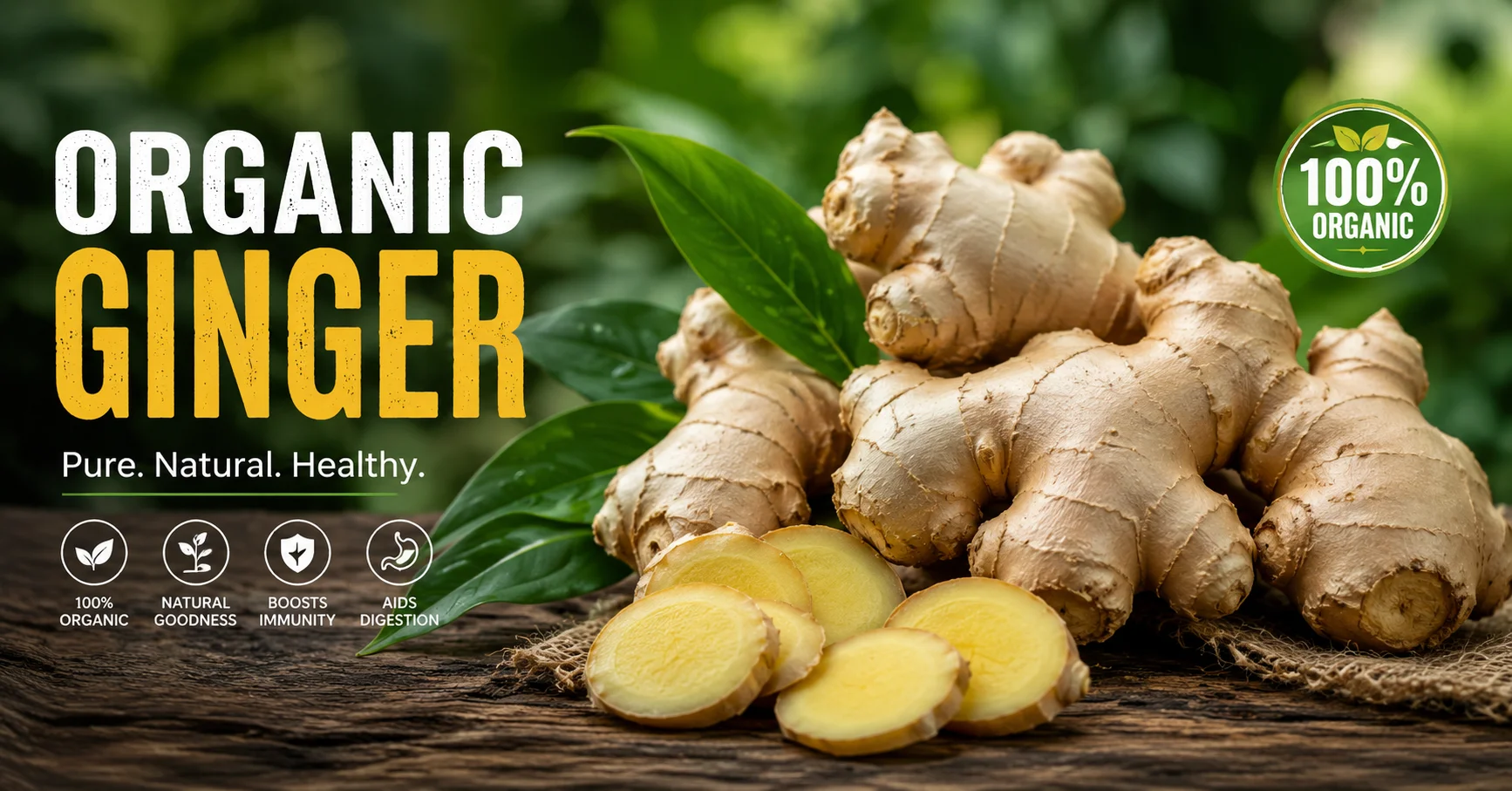
The ginger itself is the underground rhizome of the Zingiber officinale plant. Although it is commonly called a root, botanically it is a rhizome. Fresh ginger usually has a thin tan or light-brown skin and a firm, aromatic interior.
When sliced or grated, fresh ginger releases a distinctive fragrance and a warm, peppery taste. Young ginger tends to be milder and more tender, while mature ginger usually has a stronger flavor and more noticeable fibers.
Organic ginger can be purchased fresh, dried, powdered, pickled, or prepared as tea and other products. Fresh organic ginger is particularly useful because it can be incorporated into both sweet and savory recipes.
Why Choose Organic Ginger?
One of the main reasons people choose organic ginger is the farming method behind it. Organic agriculture focuses on maintaining healthy soil and reducing reliance on certain synthetic agricultural chemicals.
Choosing organic does not automatically mean that the ginger contains more beneficial nutrients than conventionally grown ginger. The nutritional value of produce can vary based on variety, growing conditions, maturity, storage, and handling.
However, organic certification can provide consumers with information about how a product was produced. For shoppers who prefer organic farming practices, certified organic ginger can be a convenient choice.
Regardless of whether ginger is organic or conventionally grown, washing fresh produce properly before use is a sensible habit.
Nutritional Profile Of Ginger
Ginger is normally consumed in relatively small quantities, so it is not usually a major source of calories, protein, or other macronutrients. Its appeal comes largely from its flavor and naturally occurring plant compounds.
One of the best-known groups of compounds in ginger is gingerols. Fresh ginger contains gingerols, while processing and heating can change some of these compounds into other related substances.
Ginger also contains small amounts of vitamins and minerals, although the amount eaten in a typical serving is modest.
The most important point is that ginger should be viewed as a flavorful plant food rather than a replacement for a balanced diet. Adding ginger to meals can complement an eating pattern that already includes vegetables, fruits, whole grains, legumes, nuts, seeds, and other nutritious foods.
Potential Benefits Of Organic Ginger
Ginger has attracted considerable attention because of its naturally occurring bioactive compounds. Research has explored ginger in several areas of health and digestion. While ginger can be a useful part of a healthy lifestyle, it is important not to treat it as a cure for medical conditions.
May Support Digestive Comfort
Ginger has traditionally been used to support digestion and settle the stomach. Some people find ginger tea or a small amount of fresh ginger helpful after a heavy meal.
Research has particularly examined ginger’s potential effect on nausea. Evidence suggests that ginger may help with certain types of nausea, although results can vary depending on the situation and individual.
Rather than consuming a large amount at once, many people prefer a mild ginger tea or a small amount added to food.
Contains Antioxidant Compounds
Ginger contains naturally occurring compounds with antioxidant activity. Antioxidants help protect cells from oxidative stress caused by unstable molecules known as free radicals.
A diet rich in plant foods provides a wide range of antioxidant compounds. Ginger can contribute to this variety, particularly when used alongside other colorful fruits, vegetables, herbs, and spices.
It is better to think of ginger as one small piece of an overall nutritious diet rather than relying on it alone for antioxidant protection.
May Have Anti-Inflammatory Properties
Ginger’s plant compounds have been studied for their potential anti-inflammatory effects. Inflammation is a normal part of the body’s response to injury and other challenges, but long-term inflammation is associated with a range of health concerns.
Laboratory and clinical research has investigated ginger and its components in relation to inflammatory processes. However, eating ginger should not be considered a substitute for medical treatment.
Adding ginger to everyday meals can still be a flavorful way to include more plant-based foods in your diet.
May Help With Certain Types of Nausea
Nausea is one of the most widely discussed uses of ginger. Research has examined ginger for several situations, including pregnancy-related nausea and nausea associated with some medical treatments.
The appropriate amount can vary considerably depending on the situation. Anyone experiencing persistent or severe nausea should speak with a healthcare professional rather than relying solely on ginger.
For everyday mild stomach discomfort, some people enjoy sipping warm ginger tea slowly.
Can Add Flavor Without Much Salt or Sugar
One practical benefit of ginger is often overlooked: it makes food more interesting.
Fresh ginger adds heat, freshness, and aroma to dishes without requiring large amounts of salt, sugar, or heavy sauces. This makes it a useful ingredient for people trying to build flavorful meals around simple ingredients.
A little grated ginger can make vegetables, soups, stir-fries, rice dishes, marinades, and sauces much more exciting.
Fresh Ginger vs. Dried Ginger
Fresh and dried ginger are both useful, but they are not exactly interchangeable.
Fresh ginger has a juicy texture and bright, spicy aroma. It works particularly well in stir-fries, sauces, teas, soups, smoothies, and marinades.
Dried ginger has a warmer, more concentrated flavor and is commonly used in baking, spice blends, desserts, and powdered drink mixes.
The drying process changes the chemical composition of ginger. For example, some gingerols can transform into related compounds called shogaols during drying and processing.
Neither form needs to be considered universally better. The best choice depends on the recipe and the flavor you want.
How To Use Organic Ginger In Everyday Meals
One of the easiest things about ginger is how little you need.
Ginger Tea
A simple ginger tea requires only a few ingredients. Slice or grate a small piece of fresh ginger and place it in hot water. Let it steep for several minutes.
You can enjoy it plain or add lemon for a fresh, citrusy flavor. If you prefer sweetness, a small amount of honey can be added once the drink has cooled slightly.
Stir-Fries
Fresh ginger is excellent in stir-fried vegetables. Add finely sliced or grated ginger near the beginning of cooking along with garlic and other aromatics.
It pairs especially well with carrots, broccoli, bell peppers, mushrooms, cabbage, green beans, and leafy vegetables.
Soups
Ginger can bring warmth to soups without overpowering the other ingredients. It works particularly well in vegetable soups, lentil soups, pumpkin soups, and Asian-inspired broths.
Start with a small amount and adjust according to taste.
Smoothies
A small piece of peeled fresh ginger can add a lively kick to smoothies. Try combining it with banana, pineapple, mango, apple, cucumber, or citrus fruits.
Because ginger has a strong flavor, start with a small amount. You can always add more.
Salad Dressings
Grated ginger works beautifully in homemade dressings. Combine it with ingredients such as lemon juice, vinegar, sesame oil, or a little olive oil for a simple dressing.
It can turn a basic salad into something much more flavorful.
Baking
Ground ginger is a classic baking spice. It can be used in gingerbread, cookies, cakes, muffins, and other baked goods.
Its warm flavor also pairs nicely with cinnamon, nutmeg, cloves, and cardamom.
How To Choose Fresh Organic Ginger
When buying fresh organic ginger, look for pieces that feel firm and heavy for their size.
The skin should generally look relatively smooth and free from extensive mold or soft, wet areas. A strong, fresh ginger aroma is also a good sign.
Avoid pieces that feel unusually soft, shriveled, or mushy. Small dry areas can sometimes occur naturally during storage, but extensive deterioration means the ginger is past its best.
If buying certified organic ginger matters to you, check the packaging or produce label for the appropriate organic certification information in your region.
How To Store Organic Ginger
Fresh ginger can last considerably longer when stored properly.
For short-term use, keep it in a cool, dry place away from direct sunlight. If you expect to keep it for longer, refrigeration can help slow deterioration.
Some people prefer to place unpeeled ginger in a sealed container or bag in the refrigerator. If moisture accumulates, make sure the ginger is dry before storing it again.
You can also freeze fresh ginger. Freezing is particularly convenient because frozen ginger can often be grated directly without completely thawing it.
This is a useful trick if you frequently buy ginger but use only a small amount at a time.
Should You Peel Ginger Before Using It?
Not always.
The skin of fresh ginger is edible, although many people remove it because mature ginger can have tougher skin. If the ginger is young and the skin is thin, scrubbing it well may be enough.
For mature ginger, peeling can create a smoother texture, especially when making tea, sauces, or desserts.
A small spoon can be surprisingly effective for peeling ginger. Simply scrape the spoon gently along the surface to remove the thin outer skin while wasting less of the flesh underneath.
How Much Ginger Should You Use?
There is no single amount that works for everyone or every recipe.
For cooking, start with a small amount and increase it according to your taste. Ginger has a strong flavor, so a little can go a long way.
When ginger is being used specifically for a health-related purpose, dosage can become more complicated. Research studies may use particular amounts, extracts, or preparations that are not equivalent to ordinary fresh ginger in food.
For this reason, it is best not to assume that consuming more ginger will automatically provide greater benefits.
Are There Any Side Effects?
Ginger is generally well tolerated by many people when consumed in ordinary food amounts. However, larger amounts can cause problems for some individuals.
Possible side effects can include heartburn, stomach discomfort, diarrhea, or mouth irritation.
People who take medications that affect blood clotting should be especially cautious with concentrated ginger supplements and discuss their use with a healthcare professional. The same applies to anyone with a medical condition or those preparing for a medical procedure.
Food-level use is different from taking concentrated supplements, so the two should not automatically be treated as equivalent.
If ginger consistently causes discomfort, simply reducing the amount or avoiding it may be appropriate.
Organic Ginger And A Healthy Lifestyle
It is easy to become fascinated by individual ingredients and forget the bigger picture.
Ginger can be a wonderful addition to a healthy lifestyle, but it does not need to carry the entire burden of wellness. A balanced diet, adequate hydration, regular physical activity, sufficient sleep, and appropriate medical care remain much more important foundations.
Think of ginger as a useful supporting ingredient.
Instead of looking for one food that can solve everything, focus on creating meals that contain a variety of nutritious ingredients. Ginger can provide flavor and plant compounds while making healthy food more enjoyable.
That may actually be one of its biggest advantages.
Simple Ways To Start Using Organic Ginger
If you rarely use ginger, there is no need to make complicated recipes.
Start by adding a little grated ginger to a vegetable stir-fry. Try a cup of homemade ginger tea. Mix a small amount into a smoothie, soup, or salad dressing.
You can also keep a small piece of fresh ginger in the freezer so it is available whenever you need it.
Once you become familiar with its flavor, you may find that ginger fits naturally into many meals you already prepare.
Conclusion
Organic ginger is a simple, versatile ingredient with a long history of culinary and traditional use. Its distinctive flavor makes it useful in everything from tea and smoothies to soups, stir-fries, dressings, and baked goods.
Its naturally occurring compounds, including gingerols, have also been studied for potential digestive, antioxidant, anti-inflammatory, and nausea-related benefits. However, ginger should complement a balanced lifestyle rather than be treated as a miracle ingredient or replacement for professional medical care.
Whether you choose organic ginger because of your preference for organic farming practices or simply enjoy its fresh, spicy flavor, it is an easy ingredient to keep in the kitchen.
Start small, experiment with different recipes, and find the ways you genuinely enjoy using it. Sometimes the simplest foods are the ones that become everyday favorites.
FAQs
What is organic ginger?
Organic ginger is ginger grown using certified organic farming practices that generally emphasize natural soil management and restrict the use of certain synthetic agricultural chemicals.
What are the main benefits of ginger?
Ginger may support digestive comfort, provide antioxidant compounds, and may help with certain types of nausea. It also adds flavor to meals.
Can you eat fresh ginger every day?
Many people can include small amounts of ginger in their everyday diet. However, larger amounts may cause stomach discomfort or heartburn in some individuals.
Is fresh ginger better than ginger powder?
Neither is always better. Fresh ginger has a bright, juicy flavor, while powdered ginger has a warmer and more concentrated taste suited to baking and spice blends.
How should fresh ginger be stored?
Fresh ginger can be kept in a cool, dry place for short-term use or refrigerated for longer storage. It can also be frozen for convenient long-term use.
ALSO READ: Client Case Aelftech com: A Simple Overview

Emily Carter is a tech enthusiast who writes about PC cooling, hardware performance, and system optimization. She enjoys simplifying complex topics and helping readers make better tech decisions.